Beer · Explainer
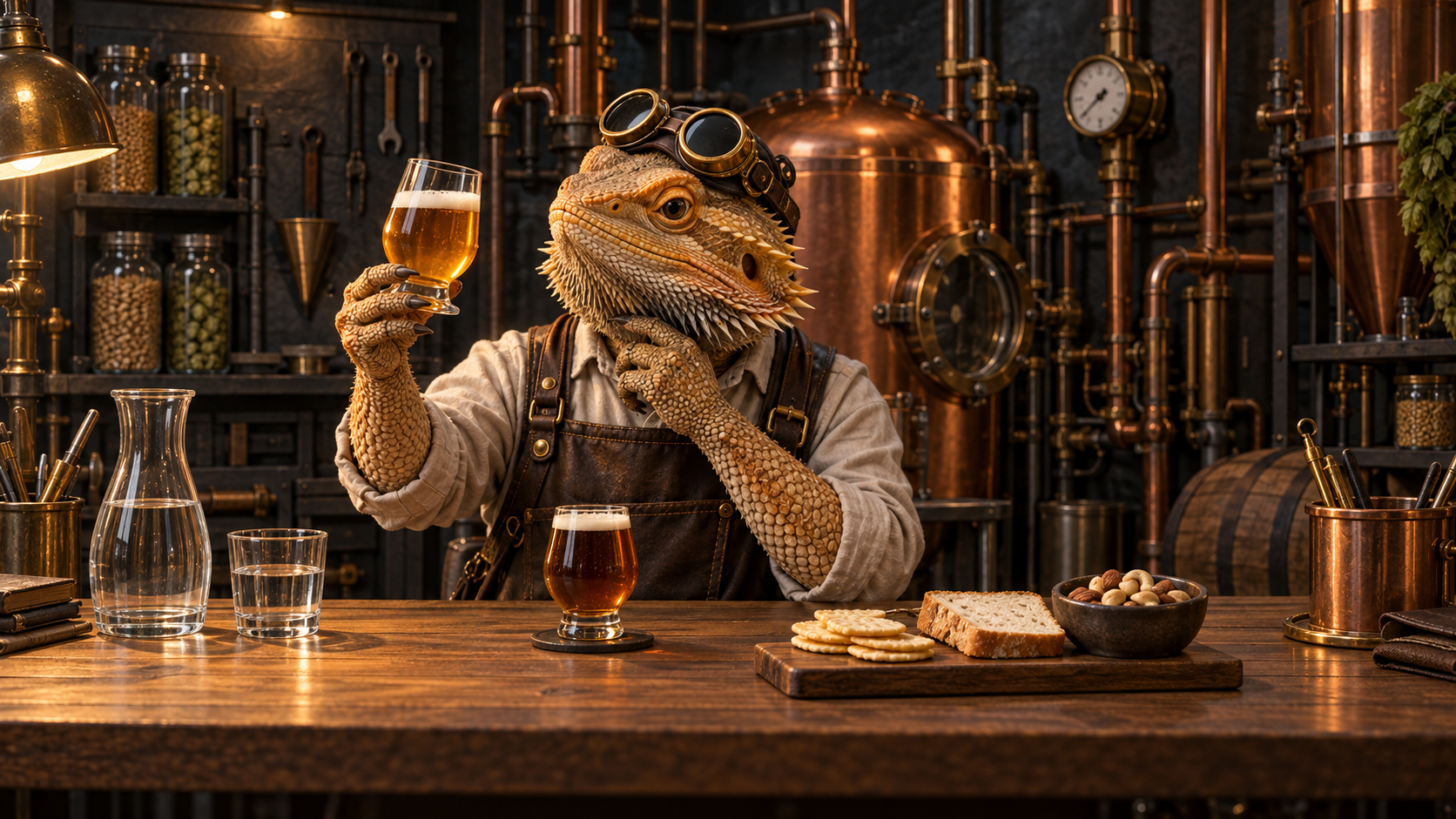
How To Choose a Beer Tasting Snack That Does Not Steal the Comparison
Choose a simple, palate-supporting snack for a small beer comparison without turning the food into a competing flavor experiment.
Read article
Beer · Explainer
Choose a simple, palate-supporting snack for a small beer comparison without turning the food into a competing flavor experiment.
Read article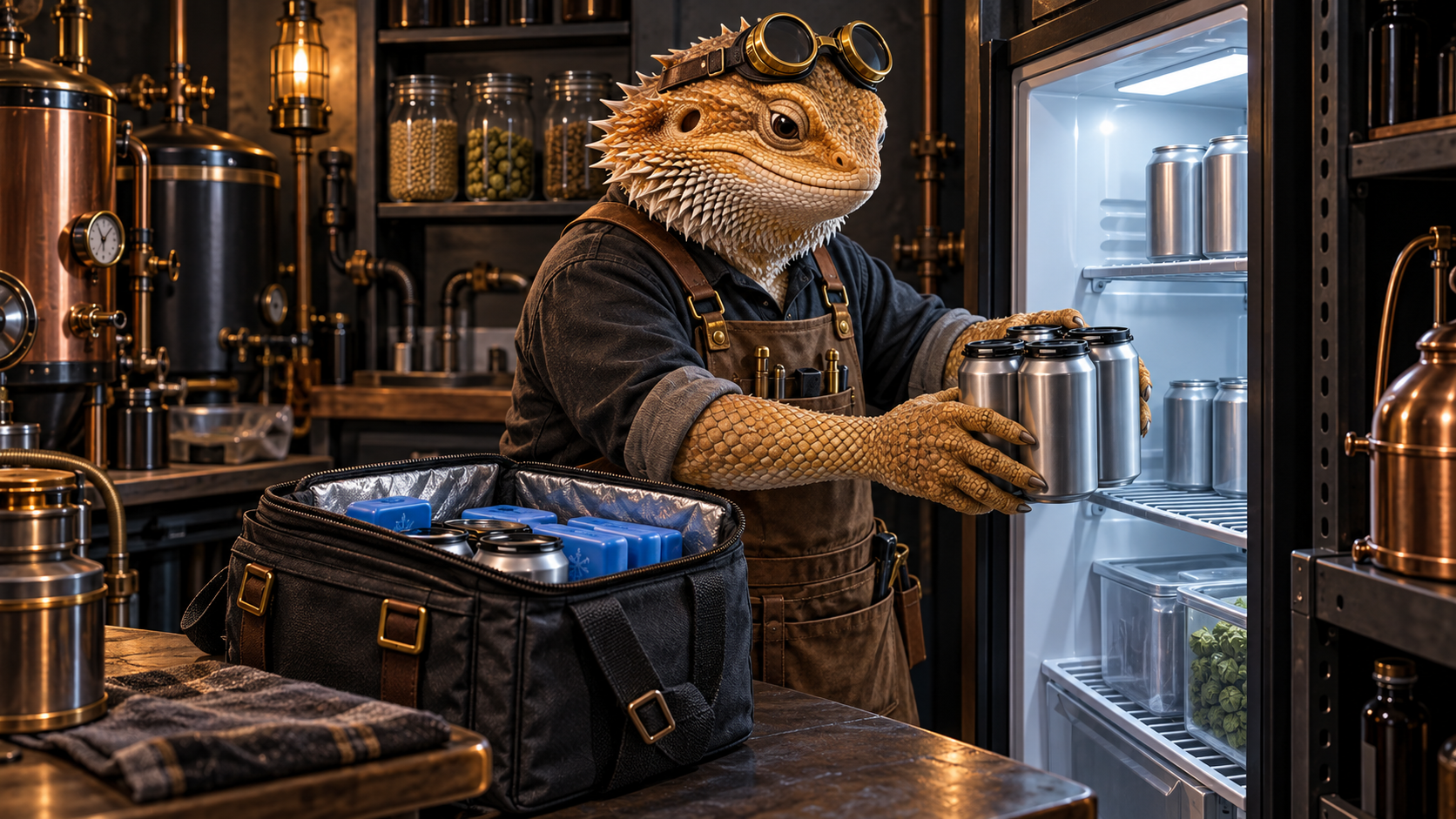
Beer · Explainer
Protect a brewery purchase from counter to refrigerator by asking better freshness questions, choosing suitable packaging, and planning for light, heat, and delays.
Read article
Whiskey · Explainer
Compare whiskey at different proofs with small measured samples, separate notes for heat and flavor, and a dilution method that makes its limits explicit.
Read article
Beer · Explainer
Use plain water to reset your palate, pace a small beer comparison, and notice the next pour more clearly without turning tasting into a ritual.
Read article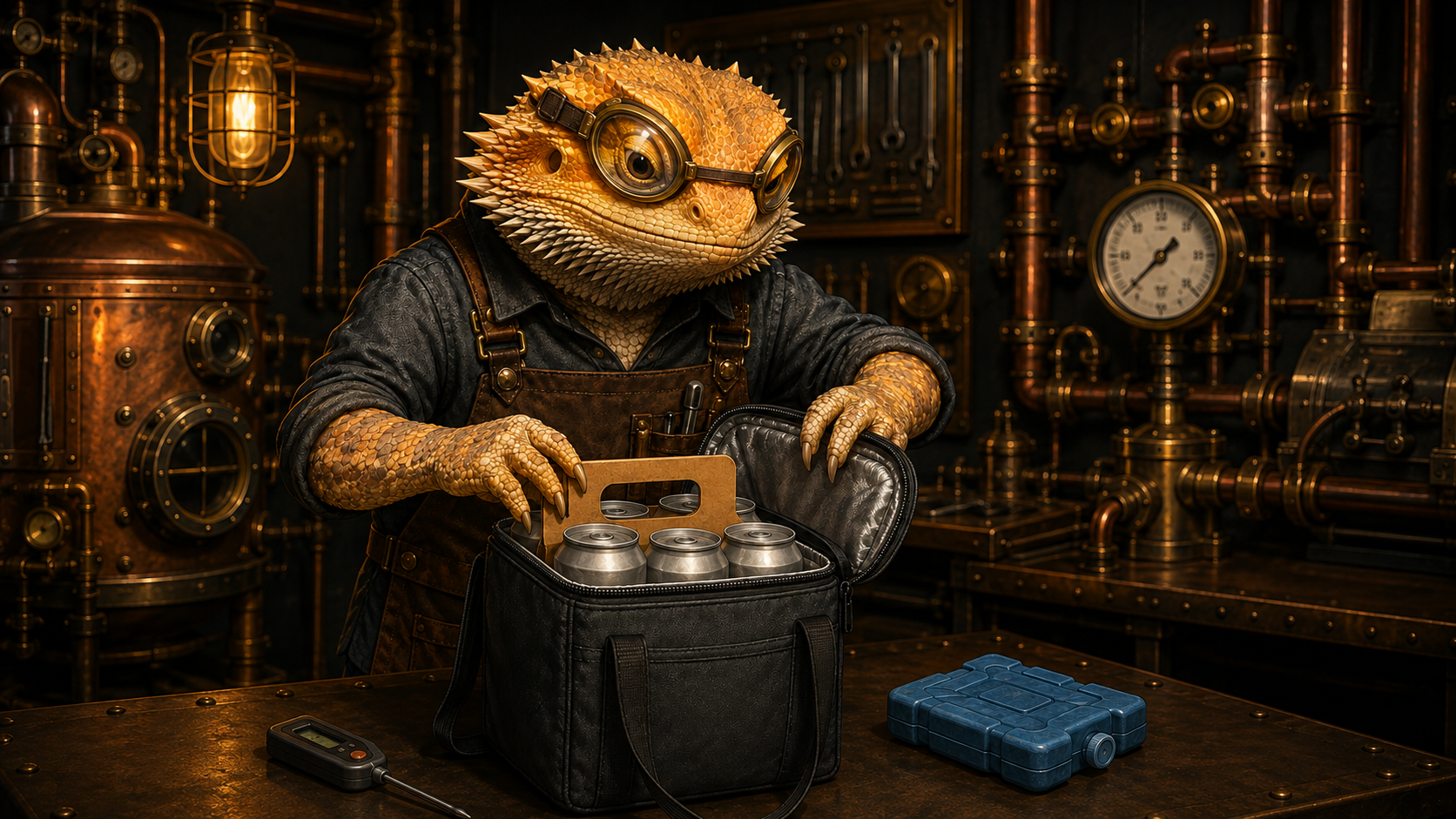
Gear · Buying Guide
Choose a compact beer carrier that protects a small brewery purchase on the trip home without turning a taproom stop into a logistics project.
Read article
Whiskey · Explainer
Use a small, repeatable two-whiskey comparison to notice meaningful differences in proof, grain, barrel influence, and texture without turning tasting into a collecting project.
Read article
Gear · Buying Guide
Use a simple freshness, transport, and consumption test to decide whether a growler is worth bringing home from a brewery the same day.
Read article
Places · Explainer
Choose a small, intentional brewery flight by asking one comparison question, ordering pours with care, and making water, food, notes, and safe transportation part of the visit.
Read article
Places · Explainer
Build a thoughtful Ohio Amish Country beer outing around one brewery, a real meal, current venue details, and transportation that leaves room to enjoy the region respectfully.
Read article
Places · Explainer
Plan a thoughtful beer and whiskey visit in the Dayton area by choosing a focused tasting objective, confirming each producer's current hours, and arranging food and transportation before the first pour.
Read article